Every job below is one we do ourselves across Buffalo Grove.
We dig footings below the frost line, usually around 42 inches here, and bolt the ledger board into the rim joist with proper flashing so water doesn't track back into your house. Joists go in at 16 inches on center under pressure-treated or composite decking. Most single-level decks take one to two weeks from the first footing to the last board.
A bouncy spot near the stairs is usually a joist that's rotted where it meets the ledger, not something you fix by tightening a screw. We also deal with rusted joist hangers, wobbly posts, and railings that have worked loose from age and weather. Some repairs take an afternoon, others mean pulling up half the decking to get at what's underneath.
Gray, splintery wood usually just means the old finish has worn off, not that the deck needs rebuilding. We pressure wash first, let it dry a couple days, then strip any remaining old stain before applying a fresh oil-based or water-based finish. Plan to recoat every two to three years, sooner if the deck gets full sun all day.
If you want built-in benches, a pergola over part of the deck, or stairs down to a lower patio, we'll draw it out before anyone picks up a saw. We work around what's already in your yard, slope, trees, drainage, instead of forcing a standard rectangle onto it.
Composite boards like Trex or TimberTech go down with hidden fastener clips instead of face screws, so the surface stays clean. They don't splinter, rot, or gray in the sun, and they skip the staining step entirely. The framing underneath is still pressure-treated lumber, composite is a surface material, not a structural one.
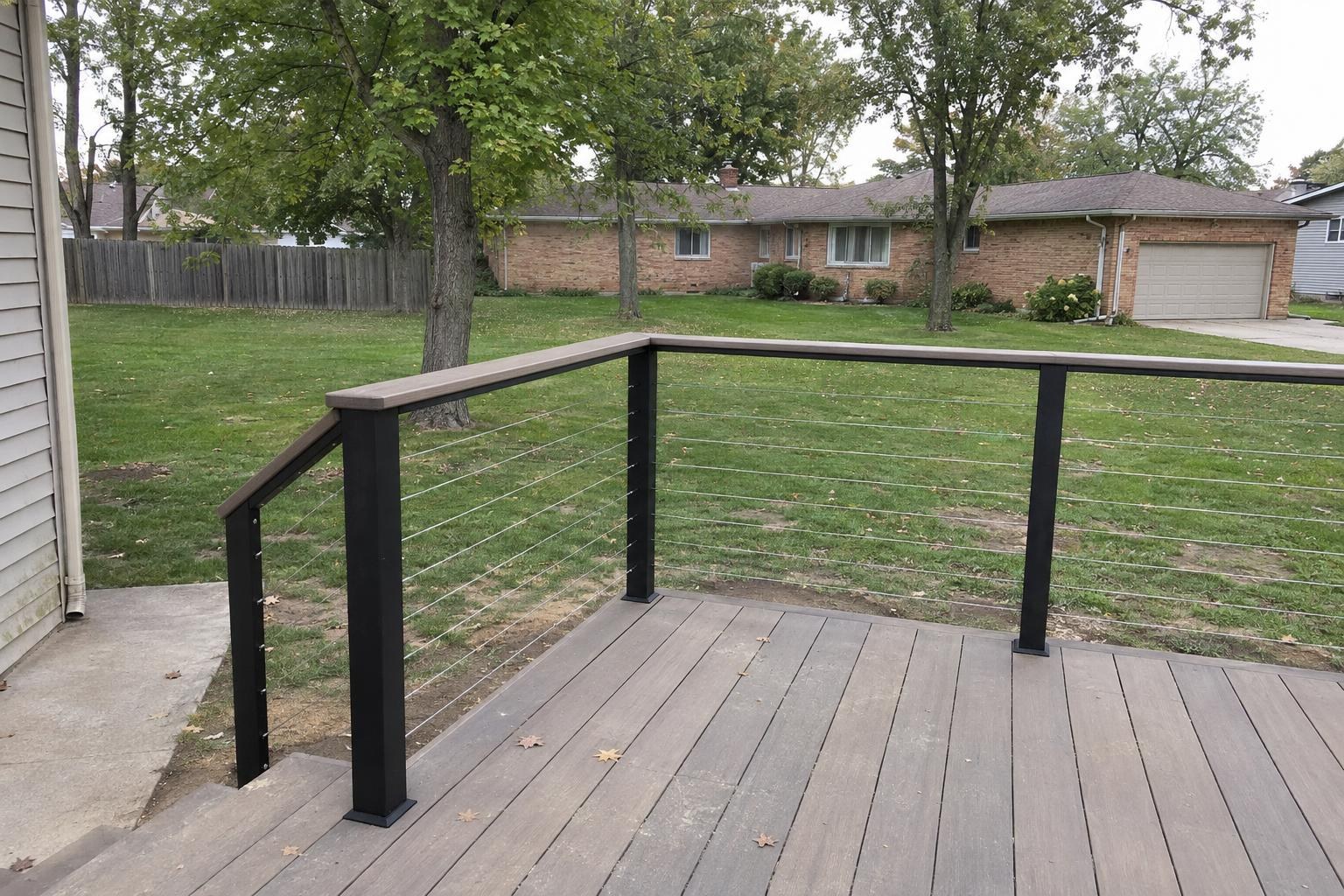
Code around here calls for balusters spaced no more than 4 inches apart, and plenty of older decks don't meet that anymore. We'll rebuild a railing from scratch in wood, aluminum, or cable, or just reset the posts and tighten what's loose if the rest is sound.
If the frame underneath is still solid, a full rebuild isn't necessary, just new decking boards and railings on top of what's there. We check the joists and footings first, because resurfacing over a bad frame only hides the problem for a year or two. It's usually faster and cheaper than tearing everything out.
Old decks come down board by board or in sections, depending on how rotted the frame is and what's safe to pull apart by hand. We haul away all the scrap lumber and check the existing footings to see if they're deep enough and solid enough to build on again.
A pergola attached to an existing deck gives you shade over the part you actually sit in without covering the whole thing. Posts get set in concrete and tied into the deck framing, not just screwed to the surface decking, so it holds up in wind.
Yards that slope call for stairs and landings between deck levels, which means extra stringers and framing beyond a standard single-level build. We plan the rise and run of every stair section so it meets code and doesn't feel awkward to walk down after dark.
Four steps, and no surprises in any of them.
You tell us what you want doing, we look at what is actually there, and we ask the awkward questions early.
In writing, itemised, free. If something might add cost later we flag it now rather than at the end.
Same crew throughout. We cover your floors, keep the dust down and tidy up before we leave each day.
You point out anything you are not happy with and we fix it before the invoice, not after.
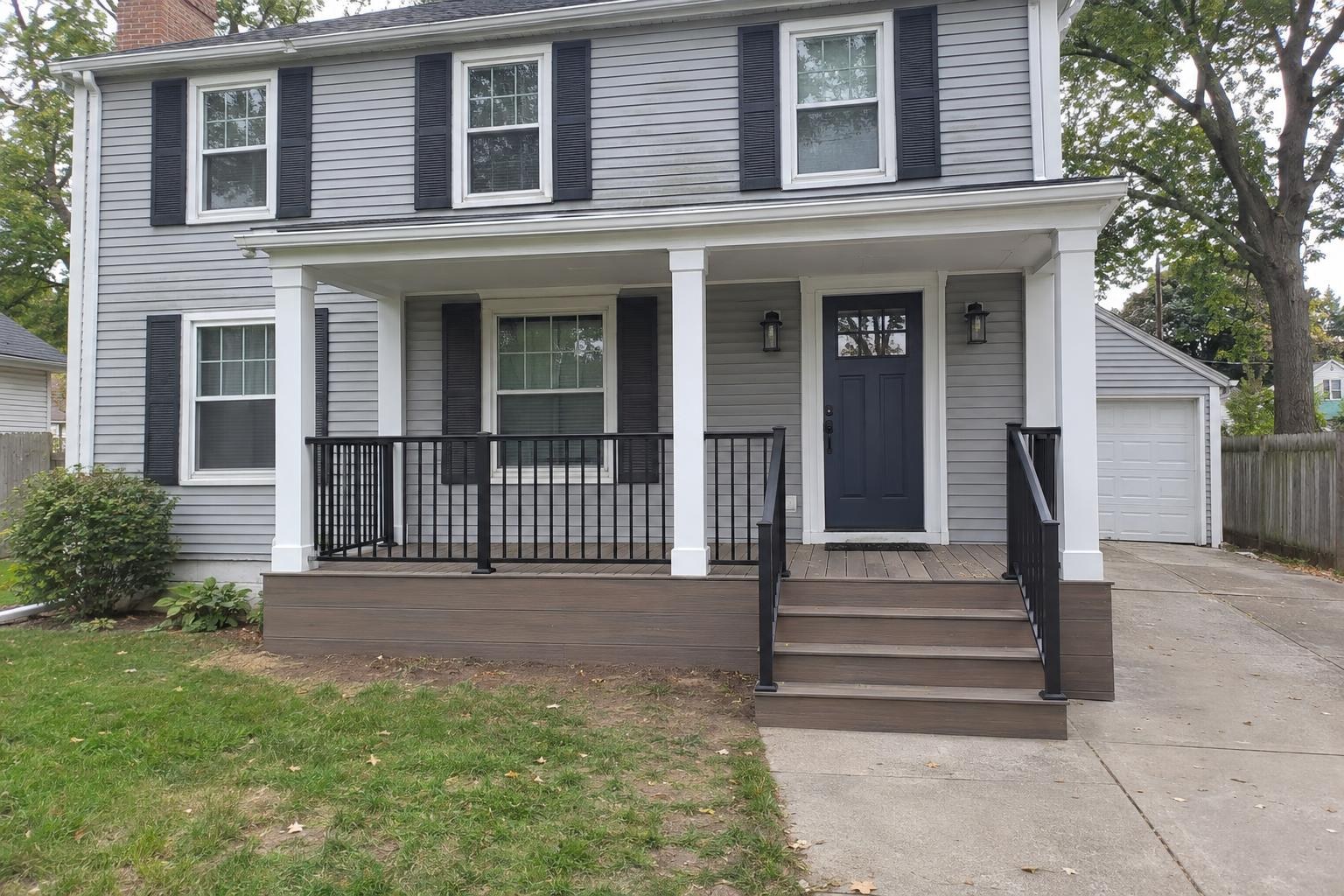
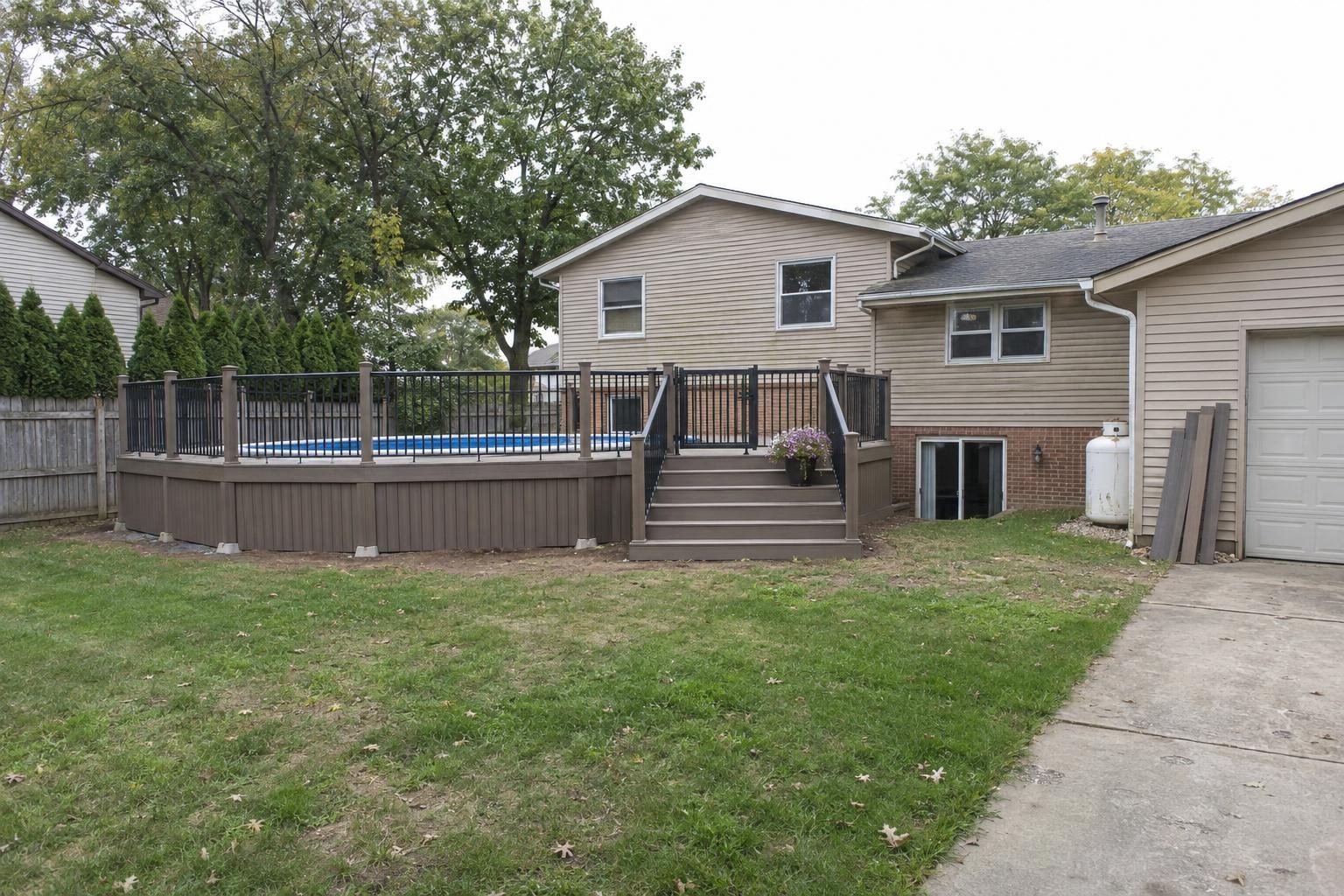
A few recent deck builds and repairs from around the area.
This is the general radius we cover for deck jobs, give us a call if your town isn't listed.
Questions that come up once a deck project is actually underway.
Describe the problem and we will tell you what it probably is. No obligation.